December 18, 2024

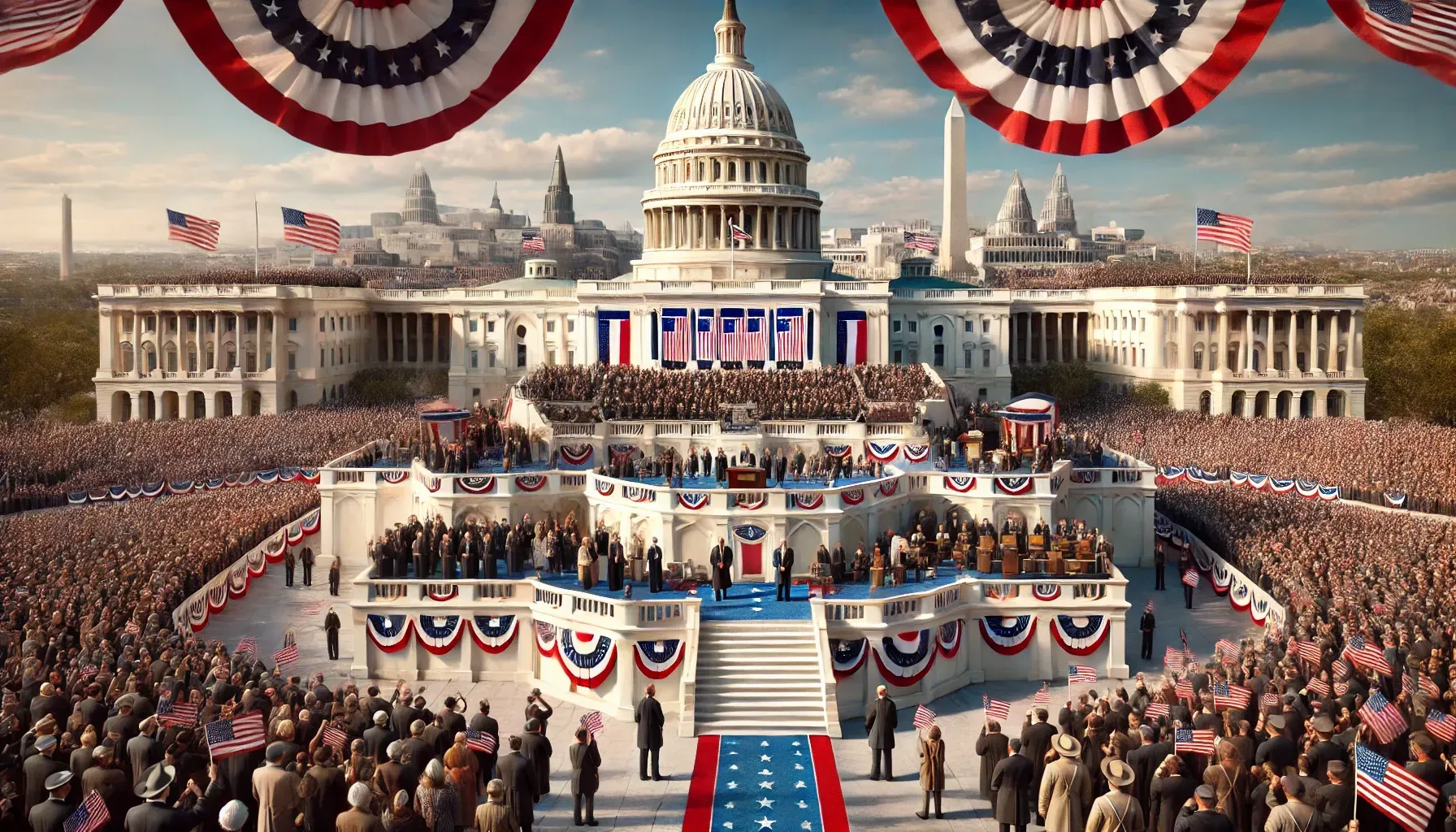
πŸŽ‰ Make Inaugurations Great Again! πŸ‡ΊπŸ‡Έ

"Trump’s Inauguration: A Historic First in Global Spotlight"


For the first time in U.S. history, foreign leaders have been invited to a U.S. presidential inauguration, breaking a precedent dating back to 1874. This decision has drawn international attention, as key world leaders weigh their attendance at President-elect Trump’s upcoming ceremony.


A Shift in Diplomatic Norms


Traditionally, U.S. presidential inaugurations have been domestic affairs, with foreign nations typically represented by diplomats. By inviting foreign heads of state, President-elect Trump signals a potential shift in diplomatic engagement, aiming to strengthen global relationships from the outset of his administration.


National Security Council spokesman John Kirby highlighted Trump’s role in shaping the guest list, stating, “It’s going to be up to President-elect Trump to decide who’s going to sit there with him at the inauguration.”


Confirmed Attendees


Several world leaders have confirmed their attendance, underscoring the historic nature of the event:


Argentine President Javier Milei


Milei will attend, marking the first time an Argentine president will participate in a U.S. inauguration.


French President Emmanuel Macron


Macron, who recently hosted Trump in Paris at the Notre Dame reopening, has confirmed his presence to strengthen U.S.-France relations.


Pending Attendance


Some leaders have received invitations but have not yet announced their decisions:


Chinese President Xi Jinping


Xi has been invited, but it is unlikely he will attend personally. A senior Chinese delegation is expected to represent China instead.


Italian Prime Minister Giorgia Meloni


Meloni’s attendance remains unconfirmed despite receiving an invitation.


Salvadoran President Nayib Bukele


Bukele is considering the invitation but has cited security concerns as a possible obstacle.


Hungarian Prime Minister Viktor Orbán


Orbán has been invited but has yet to announce his decision.


Not Invited


Notably absent from the invitation list is Russian President Vladimir Putin, reflecting continued strained relations between Washington and Moscow.


Balancing Diplomacy and Policy


Trump’s willingness to invite foreign leaders highlights his belief in leader-to-leader diplomacy, even amid tensions on critical issues. For instance, the U.S. has set a January 19 deadline for ByteDance, TikTok’s Chinese parent company, to divest its U.S. operations or face a ban. This deadline, one day before the inauguration, could influence Xi Jinping’s decision to attend.


A New Global Stage


Unlike his first inauguration in 2017, when Trump was relatively new to global politics, this time he is treated as an established figure. The confirmed attendance of figures like Javier Milei and Emmanuel Macron, coupled with high-profile invitations, underscores the event’s global importance.


As the world watches, Trump’s inauguration is poised to set a new precedent for international engagement in U.S. political traditions. Whether Xi Jinping and other leaders decide to attend will undoubtedly shape the significance of this historic day.

RETURN HOME

March 9, 2026
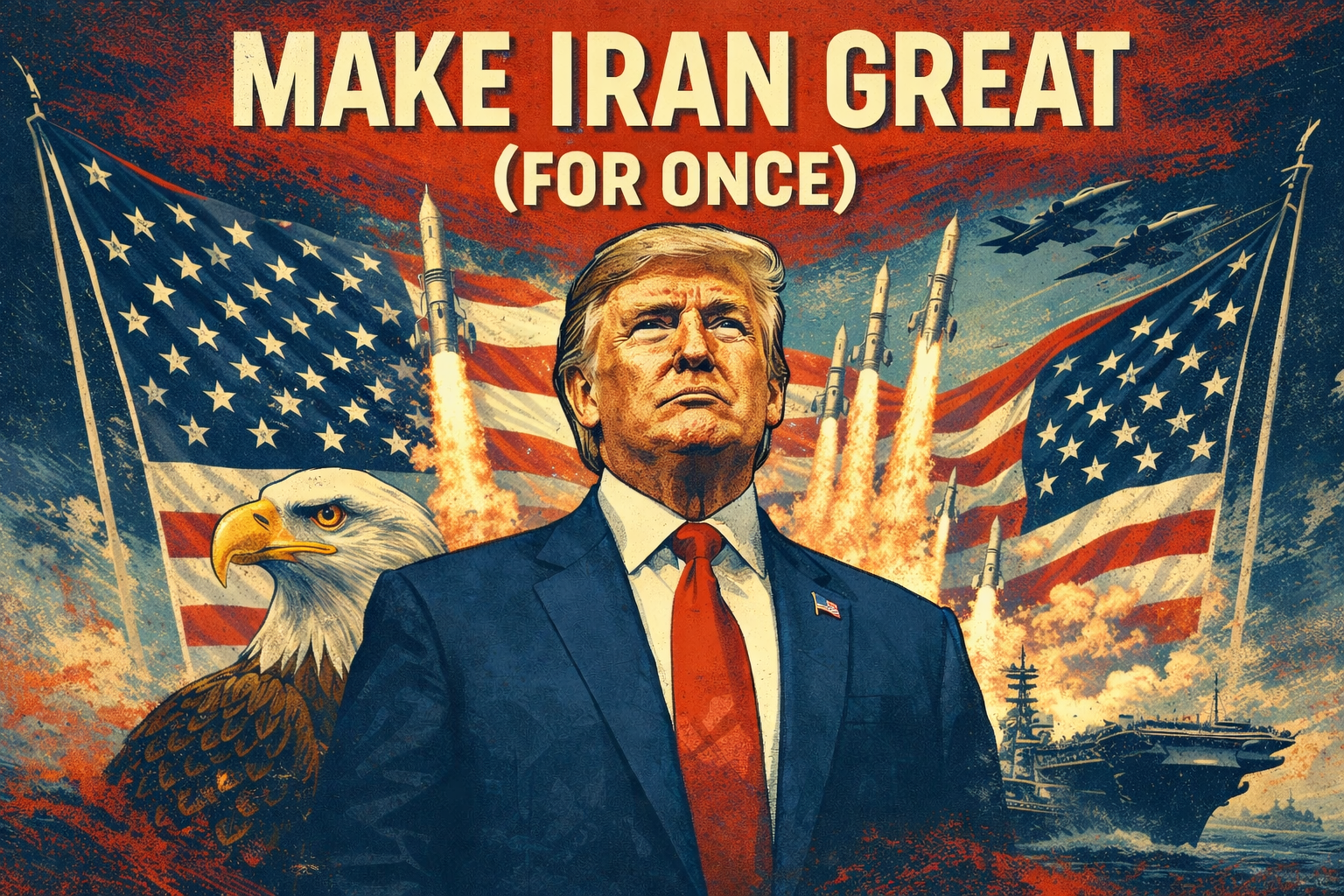
Make Iran Great ο»Ώ (For Once) For years, Iran has been one of the most difficult and dangerous challenges facing the United States and its allies. The Iranian regime has funded terrorist groups, threatened Israel, destabilized the Middle East, and pursued aggressive nuclear ambitions. Now, under President Donald Trump’s leadership, the United States has taken decisive action. The current military operation targeting Iranian military infrastructure is part of a broader strategy designed to protect American interests, defend allies, and bring long-term stability to the region. Unlike previous administrations that often relied on diplomacy without consequences, Trump has taken a firm position that aggression from hostile regimes will not go unanswered. Strength Through Leadership President Trump has consistently argued that peace comes through strength . His administration has increased military readiness, strengthened alliances in the region, and made it clear that the United States will defend its interests and its allies. The current operation is aimed at degrading Iran’s ability to threaten regional security. Key targets have included military facilities, missile infrastructure, and assets connected to Iran’s Revolutionary Guard. Supporters of the operation say this strategy sends a clear message: the era of unchecked Iranian aggression is over. At the same time, Trump has emphasized that the United States is not at war with the Iranian people. Supporting the Iranian People One of the key themes of Trump’s messaging has been the distinction between the Iranian regime and the Iranian population . Iran has a rich culture, a highly educated population, and enormous economic potential. Yet decades of authoritarian rule and economic mismanagement have left many Iranians struggling under sanctions, inflation, and political repression. Trump has repeatedly suggested that Iran could become a prosperous and successful country if its leadership chose a different path. That idea is where the phrase “Make Iran Great (For Once)” comes from. It reflects the belief that Iran’s future should be defined not by its current regime’s hostility toward the West, but by the potential of its people. Restoring American Deterrence For years, critics argued that U.S. deterrence in the Middle East had weakened. Attacks on shipping lanes, missile launches by Iranian-backed groups, and threats toward American bases were often met with limited responses. The current administration has shifted that approach.Trump’s strategy has been straightforward: when American interests are threatened, the response will be decisive and overwhelming. This shift has already had an impact. Military analysts say the operation has disrupted key Iranian capabilities and forced the regime to reconsider its next moves. Just as importantly, it has reassured U.S. allies that America remains committed to regional stability. A Path Forward While the military operation is dominating headlines today, the long-term goal is not endless conflict. The ultimate objective is stability. President Trump has repeatedly said that Iran has a choice: continue down the path of confrontation, or move toward reform and cooperation with the international community. If Iran chooses the latter, the country could unlock massive economic growth, rebuild relationships with global partners, and allow its citizens to experience greater freedom and prosperity. In other words, Iran could finally begin living up to its true potential. Final Thoughts The situation in the Middle East remains complex, and the coming months will likely shape the future of the region for years to come. But one thing is clear: the Trump administration is pursuing a strategy built on strength, deterrence, and the belief that peace is best secured when adversaries understand that the United States will defend itself and its allies. For supporters of the president, the message is simple. America is strong again. And if the Iranian regime chooses a different path, perhaps someday Iran can be great as well. RETURN HOME
January 29, 2026
Make Minneapolis Great Again Federal immigration enforcement operations in Minneapolis have intensified following a directive from Donald Trump , who ordered his border czar to review and oversee enforcement efforts amid growing national attention. Focus on Criminal Enforcement According to federal officials, the current enforcement activity in Minneapolis is targeted specifically at individuals with serious criminal records , including violent offenders and repeat immigration violators. Authorities have emphasized that the operations are not broad sweeps, but rather focused actions intended to remove individuals considered public safety threats. The administration has stated that enforcing existing immigration laws — particularly against criminal offenders — is a core federal responsibility and a key component of maintaining public safety. Border Czar Visit and Oversight Trump directed Tom Homan to travel to Minneapolis to assess and oversee the enforcement efforts. Homan arrived in the city on Monday, January 26, 2026 , where he met with federal law enforcement leadership and reviewed ongoing ICE operations. Homan has stated publicly that federal agents are operating within the law and are focused on executing targeted arrests, not engaging with the general public. Public Interference and On-Scene Incidents Federal officials have also pointed to public interference during enforcement activity as a contributing factor to several tense incidents that have occurred. According to authorities, agents have faced resistance, obstruction, and interference while attempting to carry out lawful arrests. Officials have stated that some confrontations escalated after individuals attempted to disrupt or intrude on active enforcement operations. Federal agencies have emphasized that such interference increases risk for agents, bystanders, and the individuals being arrested. Law enforcement leaders have reiterated that peaceful protest is protected , but that interfering with active law enforcement operations can lead to dangerous situations. Calls for Order During Protests Federal officials have stressed that incidents are far less likely to occur when individuals comply with lawful orders and maintain distance during enforcement actions. Authorities have stated that allowing agents to complete their work without obstruction helps ensure operations conclude safely and without escalation. They have also noted that adherence to lawful protest guidelines reduces the likelihood of confrontations and unintended outcomes. What Comes Next No specific end date has been announced for the Minneapolis operations. Federal officials indicate that targeted enforcement actions may continue as part of a broader nationwide strategy focused on criminal offenders. Further updates are expected as federal agencies and local officials continue to address public concerns and operational developments. RETURN HOME
November 6, 2025
Make the East Wing Great Again If there’s one thing Donald Trump has never been afraid to do, it’s take bold action. From rebuilding America’s economy to rebuilding our borders, his leadership has always been about making things better, stronger, and greater than before. Now, that same mindset is taking shape right at the heart of Washington — inside the White House itself. A New Vision for a Historic Space The East Wing has stood for more than a century. It’s where tours begin, where First Ladies made history, and where generations have walked through its corridors in awe. But just like America’s infrastructure, the old East Wing had seen better days. It was cramped, outdated, and ill-equipped for today’s world. So, when President Trump announced a privately funded renovation project to replace it with a new 90,000-square-foot ballroom and event space, critics jumped to their usual conclusions. But here’s the truth: it’s not about tearing down history — it’s about elevating it. Built for America’s Future, Not Its Past This isn’t a taxpayer-funded vanity project. The Trump Administration made clear that private donors are footing the bill — a first for a major White House expansion. That means no burden on Americans, no hidden costs, and no excuses for standing still. The new East Wing will finally give America a venue worthy of hosting state dinners, international summits, and historic ceremonies — all under one roof. The current East Room only holds about 200 guests. The new ballroom will hold close to 1,000. Think about that: more room for diplomacy, more room for business, and more room for America to shine on the world stage. Critics Will Always Complain — Builders Build Of course, the usual media suspects rushed to call it “extravagant” and “unnecessary.” But that’s what they said about everything Trump has ever built — from skyscrapers to policies that reshaped the economy. Here’s what they miss: great nations invest in themselves. They don’t apologize for success. They showcase it. Every chandelier, every marble column, every piece of craftsmanship going into the new East Wing sends one message to the world — that America is back to being proud of what it builds. A Symbol of Renewal Beyond the architecture, this renovation is symbolic. It represents something bigger than a ballroom — it represents renewal. It’s about restoring pride in the People’s House, proving that the White House can be both historic and forward-thinking. For decades, presidents talked about “modernizing government.” Trump is actually doing it — and doing it with private funding, American materials, and world-class design. The People’s Ballroom When it’s finished, the East Wing won’t just be another addition to the White House. It’ll be a stage for America’s greatness. A space that honors our past while embracing our future — built not by bureaucrats, but by believers in the American dream. As Trump himself might say, “We’re not just making the East Wing bigger — we’re making it beautiful a gain.” RETURN HOME